
Introduction: Where Roots Run Deep
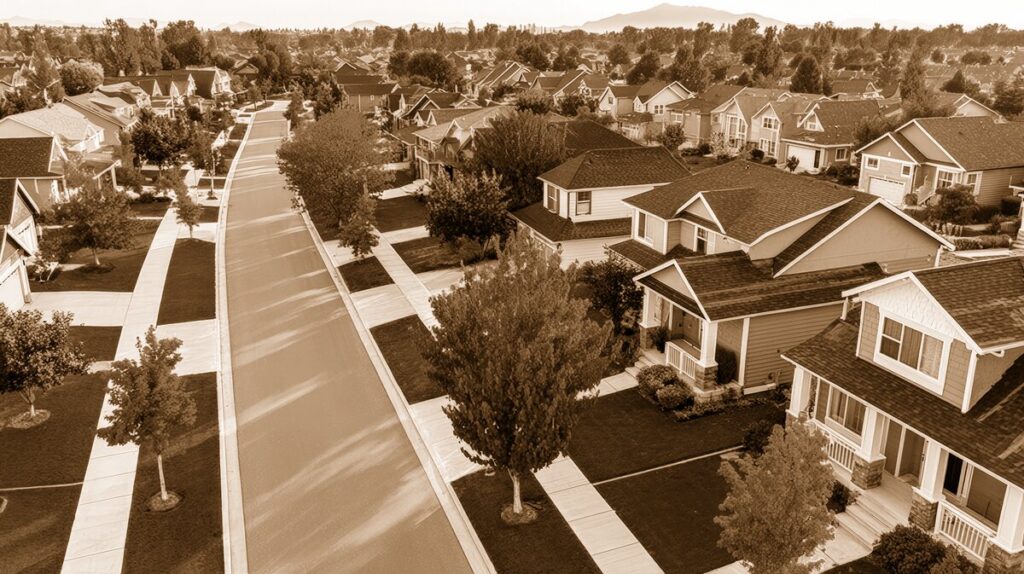
Nestled in Evansville’s east side, the Hoosier – Cullen neighborhood stands as a vibrant community that wears its heritage with pride. For decades, families have called these tree-lined streets home, finding comfort in the blend of tradition and quiet progress. As you stroll along Avalon Drive or watch the seasons change around Cullen Avenue, it’s easy to feel the spirit of the past woven into the present.
Origins: The Birth of a Neighborhood
Hoosier – Cullen’s story began in the early 20th century, as Evansville’s city limits expanded to accommodate a growing population after World War II. Originally farmland, the area that would transform into this neighborhood represented Evansville’s promise of new beginnings. By the late 1940s and 1950s, the land between Stringtown Road and Vann Avenue became dotted with sturdy ranch-style homes and modest cottages—many built by returning veterans seeking stability and community.
The name “Hoosier – Cullen” comes naturally from its geography and history. “Cullen” refers to Cullen Avenue, the backbone of the neighborhood which honors early local families who first settled and farmed these lands. The “Hoosier” moniker, ever a proud symbol for Indiana natives, highlights the residents’ deep state roots and indomitable Midwestern spirit.
Key Historical Milestones
Over the decades, Hoosier – Cullen has been a microcosm of Evansville’s larger history, adapting gracefully to national and local changes:
- Post-War Suburbanization (1945-1960): The return of WWII veterans sparked a housing boom; familiar streets like Lombard Avenue and Eichel Avenue saw their first homes, many built by local construction crews employing generations of Evansvillians.
- Industrial Influence (1960s-1980s): As Evansville’s factories and businesses thrived, the neighborhood became home to workers drawn by its proximity to downtown and major employers.
- Community Building (1990s-2000s): Residents actively worked to strengthen civic life, founding neighborhood watch programs and revitalizing green spaces.
- Modern Era (2010-present): Enhanced city services, ongoing home renovations, and new families have brought fresh energy, while long-standing traditions continue.
Notable Landmarks and Institutions
What makes Hoosier – Cullen unique is not only its history, but the enduring landmarks that line its streets:
- Cullen Avenue Baptist Church (4201 Cullen Ave): For generations, this welcoming church has been a central gathering place. Its annual picnics and food drives remain a highlight for locals of all ages.
- Stockwell Elementary School: Educating children from kindergarten through fifth grade, Stockwell is a pillar of the community, fostering the next generation of proud Hoosiers.
- Leonard Field Park: A small green oasis tucked away off Lombard Avenue, Leonard Field offers a place for families to gather, children to play, and neighbors to host seasonal events.
- Historic Homes: Discover original mid-century residences, especially along Stanley Avenue and Hicks Drive, many with lovingly preserved details like arched doorways and original hardwood floors.
A Neighborhood Evolving
Perhaps the best testament to Hoosier – Cullen’s enduring appeal is how it has changed. Today, you’ll find a diverse mix of young professionals, retirees, and multigenerational families. Front porch gatherings and annual block parties continue, echoing the camaraderie of days gone by.
The neighborhood’s convenient eastside location—just minutes from Green River Road’s retail corridor, Wesselman Woods Nature Preserve, and a quick drive to Downtown Evansville—has made it increasingly affordable and desirable. Over the years, community efforts have continually improved public safety, beautified streetscapes with new trees, and organized holiday parades that bring residents together.
Streets That Tell a Story
Every block carries stories from the past. Walk down Covert Avenue, and you’ll glimpse renovated cottages next to sturdy ranch homes typical of the 1950s. Turn up Cullen Avenue, and you’ll find evidence of growth: newer buildings blend seamlessly with the charm of mid-century architecture.
Folks often recall old local businesses from the heyday of neighborhood commerce—the corner grocery that stood proudly near Stringtown Road, or the now-legendary soda fountains frequented by kids after school. Today, small businesses still dot the area, each one rooted in the tradition of service and kinship.
Civic Pride and Lasting Traditions
One of Hoosier – Cullen’s strengths is its strong sense of community pride. Neighborhood associations remain active, looking after parks, meeting at the local church, and advocating for improvements with city officials. Seasonal celebrations—from Halloween trick-or-treat routes to Fourth of July fireworks viewed from driveways—create memories that span generations.
Residents speak fondly of simple joys: mowing lawns together on a bright Saturday morning, watching basketball at Leonard Field, or gathering for potlucks in the Stockwell School cafeteria.
Looking Forward: Holding Onto Heritage
While Hoosier – Cullen isn’t immune to the challenges of the modern world, its story is one of resilience. New families bring fresh perspectives, yet the neighborhood’s roots run deep. It is this blend of continuity and gentle change that makes Hoosier – Cullen feel both timeless and welcoming.
As Evansville continues to grow, Hoosier – Cullen stands as a reminder of what makes the city special: hard work, neighborliness, and a shared history that invites both old-timers and newcomers to belong.
Conclusion
To know Hoosier – Cullen is to be part of a living story. Its shaded streets, brick homes, bustling parks, and enduring traditions make it one of Evansville’s quietly treasured neighborhoods. Whether you’re reminiscing about its past or looking forward to its future, one thing is sure: in Hoosier – Cullen, history and community aren’t just remembered—they’re lived every day.